

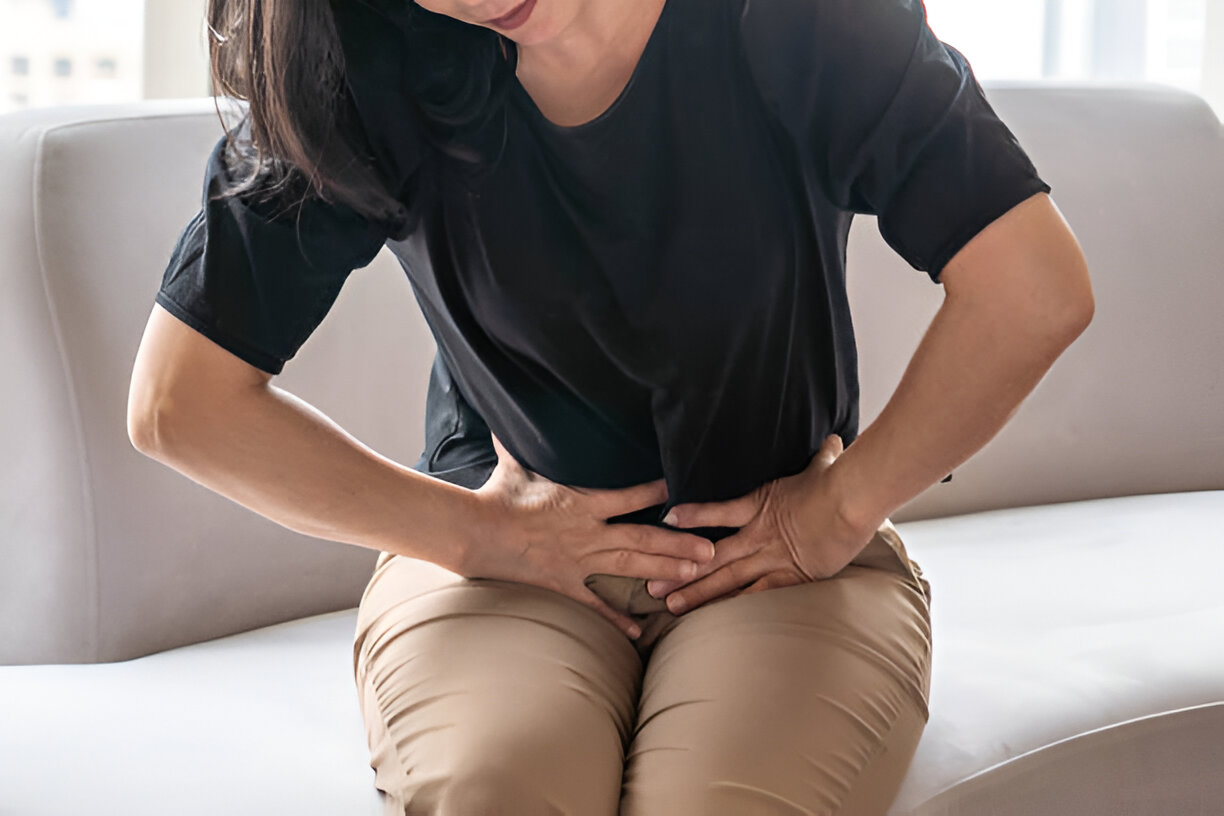

For many women, the middle of their menstrual cycle is not just another ordinary day. It often comes with a dull ache, sharp cramp, or a sudden twinge in the lower abdomen. This discomfort, known as pelvic pain during ovulation, is more common than you might think. Yet, it can be alarming if you’re not expecting it or unsure what’s causing it.
Let’s dive deep into what causes this pain, what symptoms you should look out for, and when it’s time to consult for professional help.
What Exactly Is Ovulation?
Ovulation is a regular part of a woman’s monthly cycle. It usually happens around the 14th day of a 28-day cycle when one of the ovaries releases a mature egg. This egg then travels down the fallopian tube, where it might meet sperm and get fertilized.
However, this release of the egg doesn’t always happen quietly. For some women, it’s accompanied by ovulation cramps—a mild to moderate form of pelvic pain also known as mittelschmerz, which is German for “middle pain.”
What Causes Pelvic Pain During Ovulation?
Follicular Rupture
Every month, the ovaries form small sacs filled with fluid, known as follicles. As ovulation approaches, one follicle matures and bursts to release an egg. This rupture can cause pain on one side of the lower abdomen—depending on which ovary releases the egg that month.
Stretching of the Ovarian Surface
Before the follicle bursts, the ovary’s surface stretches. This stretching can irritate nearby nerves, leading to mild cramping or aching sensations.
Fluid or Blood Leakage
When the follicle breaks open, it can release a small amount of fluid or blood into the lower belly area. This can irritate the lining of the abdomen (peritoneum), causing that sharp or dull ache you feel for a few minutes to a few hours.
Uterine Contractions
Once the egg is released, the uterus may have gentle muscle movements to help guide the egg toward the fallopian tube. These contractions can lead to lower pelvic pain similar to menstrual cramps.
Ovulation Pain Symptoms: What to Expect
Not all women experience ovulation pain, and for those who do, the intensity and type of pain can vary. Some common ovulation pain symptoms include:
- A sudden or mild pain on one side of the lower belly.
- Mild cramping that lasts a few hours
- Light spotting or vaginal discharge
- Pain that switches sides from month to month
- Nausea (rare, but possible in some women)
This pain can last from a few minutes up to two days. While it’s usually not serious, ongoing or intense pain shouldn’t be overlooked.
When to See a Gynecologist?
Mild ovulation cramps are often considered normal, but if the pain disrupts your daily life or comes with other symptoms—like fever, vomiting, heavy bleeding, or dizziness—it’s important to consult a doctor.
If you’re based in Tamil Nadu, seeking the best gynecologist hospital in Coimbatore can ensure you get timely and expert care. Persistent pelvic pain can sometimes signal other conditions such as:
- Endometriosis
- Ovarian cysts
- Pelvic inflammatory disease (PID)
- Ectopic pregnancy
- Appendicitis (though rare, it can be mistaken for ovulation pain)
To rule out these possibilities, a best gynaecologist in Coimbatore can perform diagnostic tests such as pelvic ultrasounds or hormone evaluations.
Is It Normal to Have Pain Every Month?
Yes, for many women, feeling pelvic pain around ovulation is a normal part of their monthly cycle. But if the pain is getting worse over time or lasting longer than usual, it’s a good idea to get a professional opinion. Conditions like endometriosis and ovarian cysts can mimic ovulation cramps but require different treatments.
How Can You Manage Ovulation Pain at Home?
If you’re dealing with mild ovulation cramps, here are some simple ways to ease the discomfort:
Heat Therapy
Placing a warm cloth or heating pad on your lower belly can help ease the muscles and relieve cramps.
Stay Hydrated
Drink plenty of water to help your body stay balanced and reduce bloating.
Mild Exercise
Gentle stretching or yoga can improve blood flow and reduce discomfort.
Medications
Medications that are prescribed by your gynecologists can provide temporary relief. However, if you find yourself relying on them every month, talk to your doctor.
Preventive Options: Is Birth Control a Solution?
For women who experience severe ovulation pain, hormonal birth control may be a viable option. Prescribed medications, patches, or intrauterine devices (IUDs) can prevent ovulation altogether, thereby eliminating the cause of the pain.
A personalized consultation with a gynecologist specialist in Coimbatore can help you explore these options based on your health, lifestyle, and future family planning goals.
Important Takeaway
Pelvic pain during ovulation might be a regular visitor for some, but it should never be ignored if it’s affecting your quality of life. Understanding the difference between normal ovulation cramps and symptoms that need medical attention is key to protecting your reproductive health.
If you’re in Coimbatore and looking for clarity or relief from recurring pelvic pain, don’t hesitate to reach out to the best gynaecology hospital in Coimbatore . Early diagnosis and proper care is the way to go.