

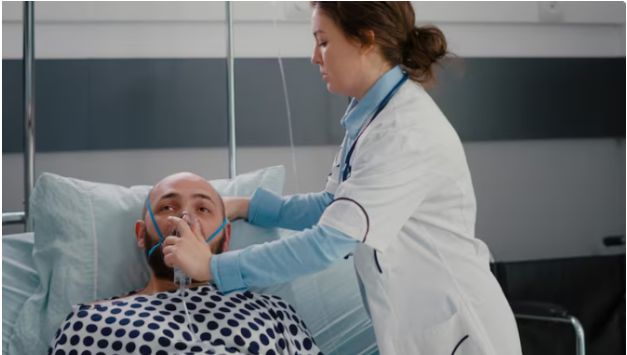

For patient safety in a medical facility, skilled staff is essential; all doctors, nurses, and other healthcare professionals should have proper degrees, certifications, and skills to provide the right kind of care, because in healthcare, a minor mistake can lead to severe consequences.
Along with ensuring safety this way, hospitals and medical clinics should also ensure safety by using the right equipment. All the equipment and systems should be high quality and regularly maintained; one of the most important systems that works regularly in the background is called the medical gas system.
It delivers gases like oxygen and medical air wherever they are needed. Because patients depend on these gases, the system must work safely and reliably at all times.
Support Everyday Care
A reliable medical gas system helps medical staff provide the care the patients need without any unnecessary delay. For example, a patient who needs oxygen should receive it at the right time. Even a little delay can be life-threatening.
In the operating theatre and emergency room, the adequate and timely supply of medical gases is even more important. So for uninterrupted everyday care in a healthcare facility, a steady supply of medical gases is important.
Reliable Systems
To keep a medical gas system in good condition, you have to start by using high-quality medical gas pipeline supplies. These supplies include important parts like valves, outlets, alarms, and connectors that help move gases safely. Since every part has an important role, choosing reliable components helps the system function properly. As a result, healthcare facilities can reduce unexpected breakdowns and keep services running uninterrupted, without compromising patient safety.
Prevent Bigger Issues
Over time, even strong systems can develop problems because of daily use; tiny leaks, a worn valve, or a damaged outlet may not seem like a big issue at first, but these small problems can become much larger if they are ignored and not addressed at the right time.
So instead of putting lives at risk, healthcare facilities can find and address problems early on and keep the entire system safe and dependable.
Long-term Safety
In the field of providing care, you have to plan ahead. Instead of waiting for something to stop working, healthcare facilities can create a maintenance schedule and follow it throughout the years. This regular upkeep of important systems like the medical gas systems can help catch small issues before they become expensive emergencies.
The cost of repair will also be lower. Regular maintaince for safety is especially important in busy hospitals where every minute counts.
Conclusion
In the end, patient safety depends on many factors. Properly functioning systems are an important factor among them. So, to keep the medical gas system working properly, you have to buy from a reliable source, spend a little on upkeep, and ensure timely fixing of minor issues.
This way, everything will work as it should, and patients will benefit from the pipes behind the wall every day. Patients will receive the support they need, and the safety risk from faulty equipment will also be significantly reduced.