

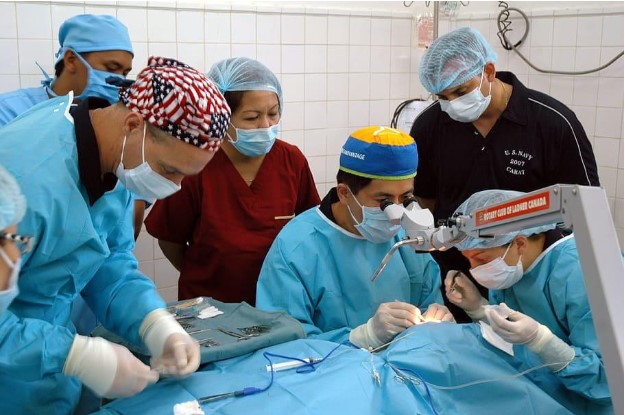

Cataract surgery is one of the most common procedures performed to restore clear vision. While the surgery itself is usually quick and straightforward, the preparation beforehand plays a key role in ensuring a smooth experience and successful outcome. Knowing what happens before the procedure can help reduce uncertainty and make the process feel more manageable.
Preparation involves more than just scheduling the surgery. It includes understanding your eye health, following specific instructions, and making practical arrangements. Taking these steps seriously helps support both the procedure and recovery.
Why Preparation Matters Before Cataract Surgery
Every eye is different, and careful preparation allows eye care professionals to plan the procedure accurately. By evaluating the condition of the eye in advance, surgeons can select the most appropriate treatment approach and lens type.
Preparation also helps reduce the risk of complications. When patients follow instructions and attend pre-surgical appointments, the chances of a smooth recovery increase significantly.
This stage is also an opportunity to ask questions and understand what to expect.
Comprehensive Eye Examination Before Surgery
Before cataract surgery, a detailed eye examination is performed. This includes measuring the shape of the eye, checking the health of the retina, and determining the correct power for the artificial lens. These measurements are essential for achieving clear vision after surgery.
Additional tests may be recommended if there are other eye conditions present. This ensures that all factors affecting vision are considered before the procedure.
Accurate evaluation helps guide decisions and improves overall outcomes.
Reviewing Medical History
Patients are usually asked about their general health and any medications they are taking. Certain conditions, such as diabetes or high blood pressure, can influence how the eye heals after surgery.
Providing complete and accurate information allows the healthcare provider to make informed decisions. In some cases, medication adjustments may be needed before the procedure.
This step ensures that the body is prepared for surgery.
Understanding Pre-Operative Instructions
Before the day of surgery, patients receive specific instructions to follow. These may include using prescribed eye drops to reduce the risk of infection and inflammation. Following these directions carefully helps prepare the eye for the procedure.
For a more detailed explanation of what this process involves, this guide on cataract pre op preparation outlines how each step contributes to a safer and more effective surgery.
Patients may also be advised to avoid eating or drinking for a certain period before the procedure, depending on the type of anesthesia used.
Planning for the Day of Surgery
Cataract surgery is typically performed on an outpatient basis, meaning patients return home the same day. However, vision may be temporarily affected immediately after the procedure, making it unsafe to drive.
Arranging transportation ahead of time is an important part of preparation. Having someone available to assist during the first day can provide added comfort and support.
Preparing a calm and comfortable environment at home can also make recovery easier.
Recognizing When an Eye Exam Is Needed
Some people may not realize they need cataract surgery until symptoms become more noticeable. Regular eye exams help identify changes early and guide treatment decisions.
This resource on signs that you need an eye test highlights how certain symptoms can indicate the need for professional evaluation.
Early detection supports better planning and timely care.
Managing Expectations Before Surgery
Understanding what cataract surgery can achieve helps set realistic expectations. While the procedure improves clarity, it may not eliminate the need for glasses entirely. The final outcome depends on factors such as lens choice and overall eye health.
Discussing these expectations with an eye care professional helps ensure that patients feel prepared. Clear communication allows for better alignment between goals and results.
Being informed reduces anxiety and builds confidence.
Addressing Common Concerns
It is natural to have questions or concerns before surgery. Many people wonder about safety, recovery time, and potential outcomes. Understanding how the procedure is performed and how risks are managed can provide reassurance.
Modern techniques have made cataract surgery highly reliable. Surgeons use precise tools and follow strict safety protocols to protect the eye.
For a broader perspective on vision care and treatment, this article from The Washington Post explores how eye conditions are managed and treated.
The Role of Mental Preparation
Preparing for surgery is not only physical but also mental. Feeling informed and supported can make a significant difference in how a person experiences the procedure. Taking time to understand each step helps reduce uncertainty.
Some individuals find it helpful to discuss concerns with their healthcare provider or write down questions in advance. This approach ensures that important details are not overlooked.
A calm and prepared mindset supports a more positive experience.
Conclusion
Preparing for cataract surgery involves careful planning, medical evaluation, and personal readiness. Each step contributes to a smoother procedure and better visual outcomes.
By following pre-operative instructions, attending necessary appointments, and understanding what to expect, individuals can approach surgery with confidence. Thoughtful preparation creates the foundation for clearer vision and a more comfortable recovery.