


Important Points
- Many patients start non-surgical lifting treatments before their 40s due to early signs of skin laxity and collagen decline.
- Preventive aesthetic treatments are often used to slow visible ageing rather than reverse advanced sagging.
- Lifestyle habits, facial structure, and skin quality can influence how early ageing signs appear.
- Procedures such as HIFU facelift treatments are commonly selected because they do not involve surgical incisions or extended downtime.
- Expectations, skin condition, and treatment consistency all affect long-term outcomes.
Introduction
Facial ageing does not begin at a fixed age. Some individuals start noticing mild skin laxity, reduced firmness, and softer facial contours in their late 20s or early 30s. These changes are often linked to collagen decline, repeated facial movement, sun exposure, stress, and lifestyle habits. Due to this, more patients are considering non-surgical lifting procedures earlier instead of waiting until ageing signs become more advanced.
Options such as HIFU treatment in Singapore are often discussed among patients looking for skin tightening approaches that do not involve surgery. These treatments are generally used to address mild to moderate skin laxity while allowing patients to continue with their usual routines shortly after treatment.
Early Ageing Signs Can Appear Before the 40s
Ageing affects individuals differently. Genetics, body weight fluctuations, smoking, sleep quality, and ultraviolet exposure can all influence how quickly the skin loses elasticity. Some people may develop early sagging around the jawline, cheeks, or under-eye area while still in their 30s.
These changes, in many cases, are gradual rather than severe. Patients may notice softer facial definition, reduced skin firmness, or mild drooping around the lower face. While these changes may not require surgery, they can still influence how individuals perceive their appearance. This instance is one reason why non-surgical lifting treatments are increasingly discussed among younger age groups.
Preventive Treatments Have Become More Common
Some patients pursue aesthetic procedures before deeper wrinkles or severe skin laxity develop. The goal is often preventive management rather than dramatic correction. Instead of reversing major signs of ageing, these treatments are used to support collagen production and maintain facial structure for a longer period.
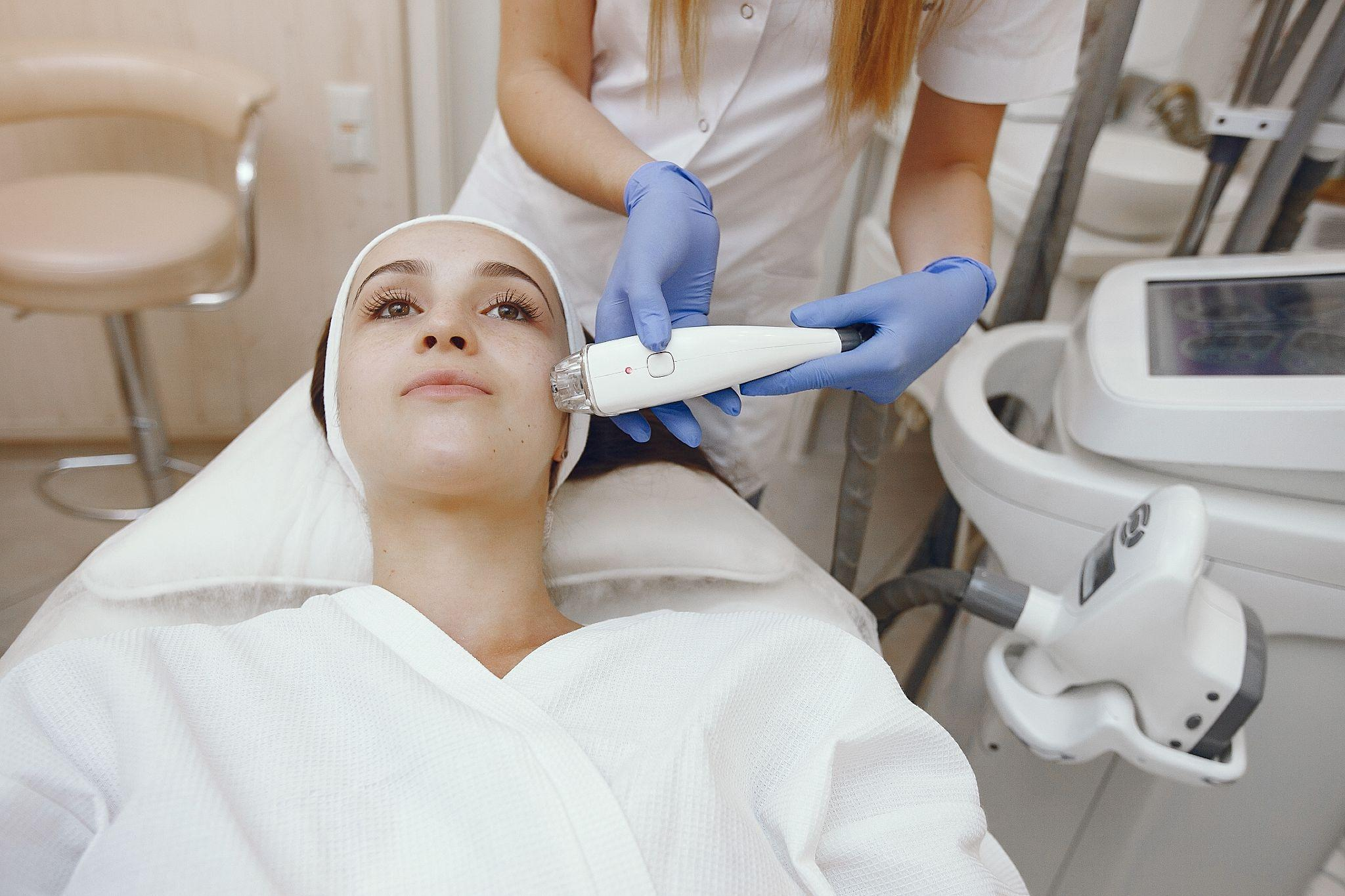
Procedures such as HIFU facelift treatments use focused ultrasound energy to target deeper skin layers. The treatment process aims to stimulate collagen activity beneath the surface without surgical cuts. Patients who choose these procedures earlier may be attempting to slow the progression of sagging rather than address advanced ageing concerns later.
Preventive treatment approaches have also become more common due to increased awareness through online content, workplace image expectations, and social media exposure. Many patients are now more familiar with non-invasive aesthetic options compared to previous generations.
Downtime and Surgical Concerns Influence Decisions
Surgical facelifts are generally associated with longer recovery periods, higher costs, and greater procedural risks. Patients in their 30s may not consider surgery appropriate for mild ageing signs, especially when skin laxity remains limited.
Non-surgical procedures are often viewed as more manageable because they usually involve shorter appointments and less recovery time. Individuals balancing work schedules, childcare responsibilities, or social commitments may prefer treatments that allow them to return to normal activities quickly.
This instance is one reason why HIFU treatment is commonly explored among working adults seeking lower-disruption aesthetic procedures. However, treatment suitability still depends on factors such as skin thickness, collagen condition, and overall facial anatomy.
Expectations and Maintenance Remain Important
Non-surgical lifting procedures do not produce the same outcomes as surgery. Results are typically more subtle and may develop gradually over several weeks or months. Patients considering these treatments before their 40s are often advised to maintain realistic expectations regarding lifting effects and longevity.
Maintenance also plays a role. Ageing continues even after treatment, meaning some patients choose repeated sessions over time, depending on their skin condition and treatment goals. Lifestyle factors such as smoking, poor sleep, and sun exposure may also affect how long results remain visible.
Conclusion
More patients are choosing non-surgical lifting treatments before their 40s due to earlier awareness of facial ageing and the growing preference for lower-downtime procedures. Treatments such as HIFU facelift procedures are often considered by individuals experiencing mild skin laxity or early collagen decline. While these treatments may support skin tightening, outcomes vary based on skin condition, lifestyle habits, and long-term maintenance expectations.
Contact Veritas Medical Aesthetics to better understand how non-surgical lifting procedures are assessed.