

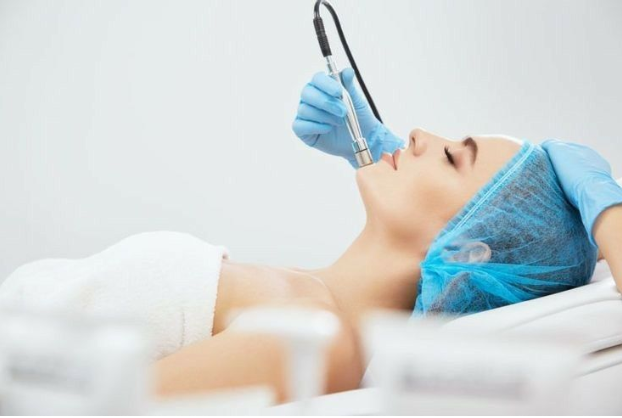

Sleep apnea is a condition that silently disrupts lives. Millions of people struggle with interrupted sleep, snoring, and fatigue, often unaware of the long-term risks. Modern healthcare has seen a shift in managing this condition. Among various solutions, laser sleep apnea treatment has emerged as an innovative approach. It promises precision, minimal invasiveness, and quicker recovery times, marking a significant evolution in patient care.
Understanding Laser Sleep Apnea Treatment
Laser sleep apnea treatment is a procedure that uses targeted laser technology to remove or reshape tissue in the airway. This helps reduce obstruction and promotes better airflow during sleep. Unlike traditional surgical methods, lasers offer precision that minimizes damage to surrounding tissue. Patients often experience less pain and faster recovery. By understanding laser sleep apnea treatment, healthcare professionals can provide safer options for those struggling with sleep disruptions.
Benefits Of Laser Procedures In Sleep Apnea Treatment
Laser treatments in sleep apnea treatment provide multiple benefits. They are minimally invasive, meaning fewer complications and quicker healing. Patients can often return to their routines within days rather than weeks. Additionally, the precision of lasers allows doctors to address specific areas of obstruction without extensive surgery. These benefits make laser procedures a promising addition to modern healthcare, especially for patients seeking effective, low-risk solutions.
Patient Experiences With Laser Sleep Apnea Treatment
Patients undergoing laser sleep apnea treatment frequently report noticeable improvements. Snoring is reduced, breathing becomes smoother, and daytime fatigue diminishes. Many describe the procedure as less intimidating than traditional surgery. Recovery tends to be easier, with fewer restrictions on daily activities. Hearing these experiences reinforces the value of laser-based approaches in enhancing patient quality of life and expanding options in sleep apnea treatment.
Integration Of Laser Technology In Modern Healthcare
Healthcare systems are increasingly integrating laser technology into their treatment offerings. Sleep apnea treatment now benefits from advancements initially developed for other surgical applications. Hospitals and clinics can provide more precise, efficient care with improved outcomes. The adaptability of lasers allows specialists to customize treatment plans for individual patient needs, showing how modern healthcare evolves by incorporating innovative technologies like laser therapy.
Risks And Considerations Of Laser Treatment
While laser sleep apnea treatment offers advantages, it is not without considerations. Some patients may experience temporary swelling, discomfort, or minor complications. Not all cases of sleep apnea are suitable for laser intervention. Healthcare providers carefully assess each patient to determine the best approach. Awareness of potential risks ensures that patients make informed choices while still benefiting from the advances that laser treatment brings to modern sleep apnea management.
Future Outlook Of Sleep Apnea Solutions
The role of laser technology in sleep apnea treatment signals a shift toward more patient-friendly solutions. Research continues to refine techniques, improve safety, and expand applicability. As understanding grows, laser treatments could become a standard option alongside traditional therapies. The ongoing integration of technology into patient care highlights the broader trend of modern healthcare: combining innovation with personalized treatment for better outcomes.
Conclusion
Laser sleep apnea treatment represents a leap forward in managing a common yet serious condition. By offering precision, minimal invasiveness, and faster recovery, it enhances patient comfort and care. Modern healthcare benefits from such innovations, making effective solutions more accessible and safer. As technology continues to advance, laser treatments will likely play a central role in the evolving landscape of sleep apnea management.